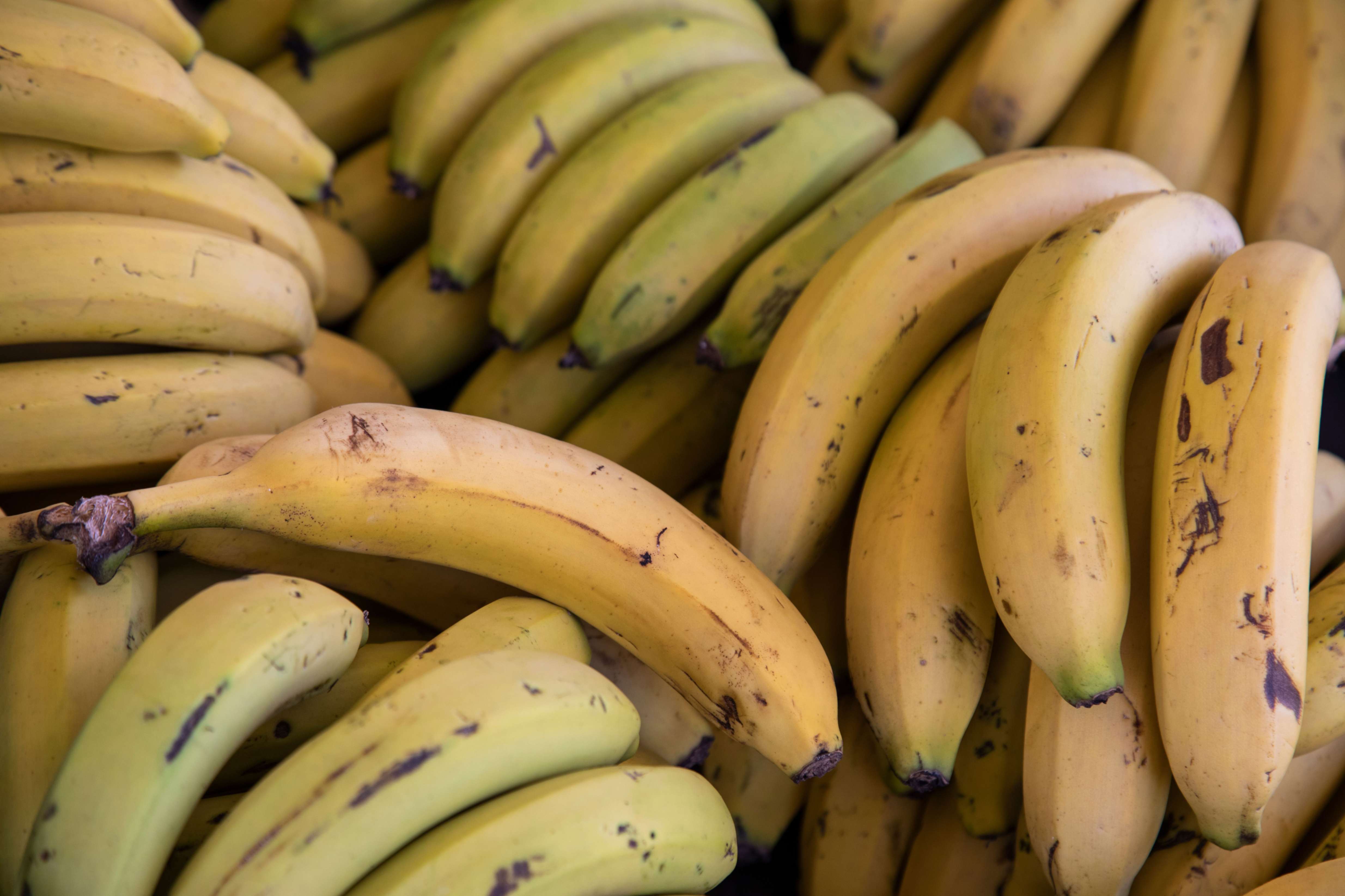
Bananas contain potassium, and a tiny fraction of natural potassium is the radioactive isotope potassium-40. So, technically, a banana is radioactive. Radioactive nuclei are unstable and can decay, emitting radiation. The amount of potassium-40 in ordinary food is very small, and our bodies naturally contain potassium too. Eating a banana does not create a dangerous radiation exposure. Your body regulates potassium and everyday life already includes many natural sources of background radiation. The example is useful because it shows that 'radioactive' does not automatically mean 'dangerous'; dose and exposure matter.
The useful part of this physics is that it helps people predict and design real things. Engineers often begin with the same simplified model used in school, test where it works, then add more detail when measurements show that the real situation is more complicated.
Atoms contain a tiny nucleus of protons and neutrons surrounded by electrons. Isotopes are atoms of the same element with the same number of protons but different numbers of neutrons; some isotopes are unstable and radioactive. The behaviour of a material therefore depends both on its electron structure, which controls most chemical behaviour, and on its nucleus, which matters in radioactive and nuclear processes.