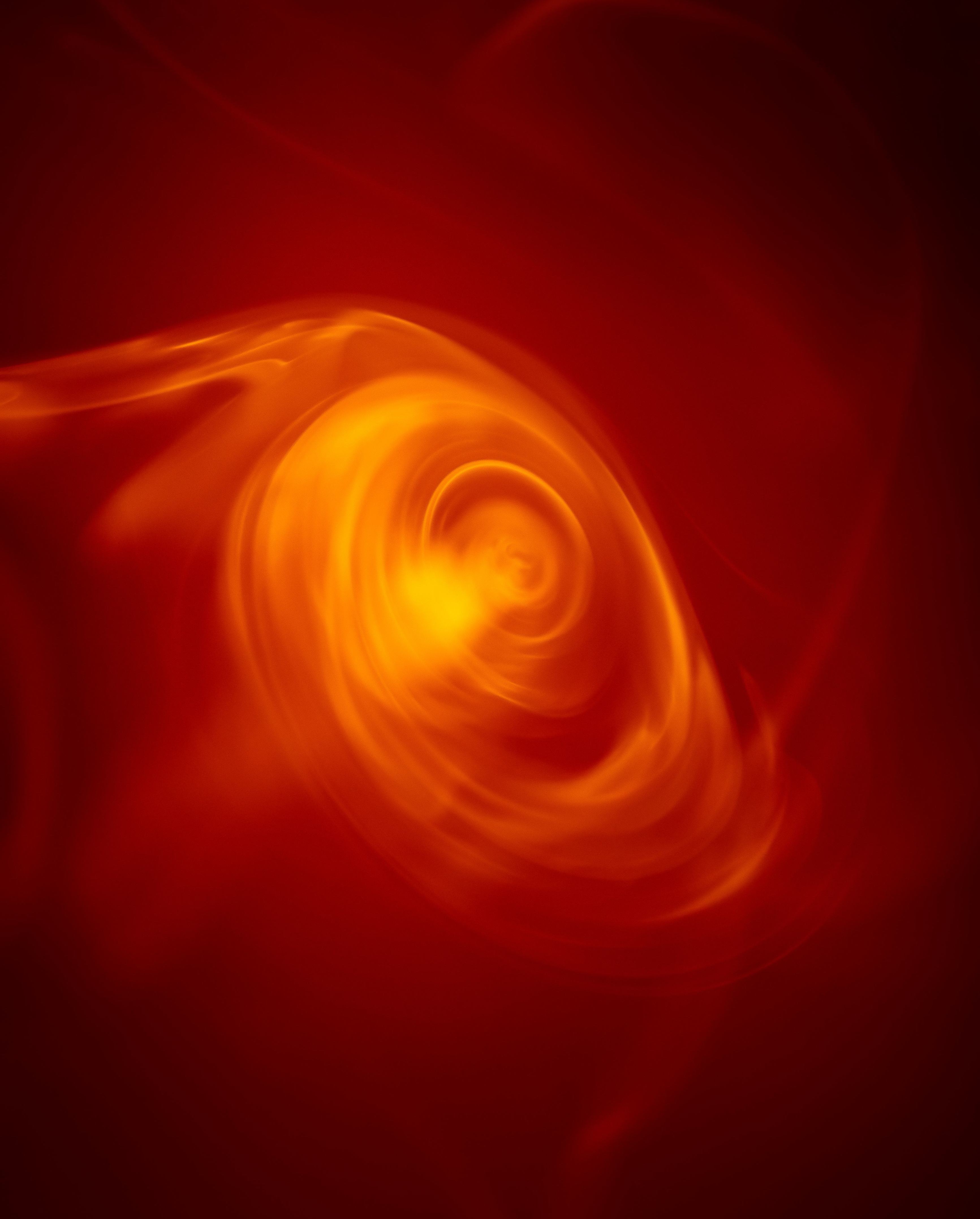
Fusion experiments try to reproduce one important process that powers stars: joining light nuclei and releasing energy. They do not need to reproduce an entire star. Fusion fuels must be heated to extremely high temperatures so nuclei move fast enough for collisions that can lead to fusion. At these temperatures matter forms a plasma. Because no ordinary container can simply hold such hot plasma, some reactor designs use strong magnetic fields to keep it away from the walls. Other approaches compress fuel rapidly. The scientific challenge is to obtain useful, reliable energy while controlling the plasma and the energy flows through the reactor.
The useful part of this physics is that it helps people predict and design real things. Engineers often begin with the same simplified model used in school, test where it works, then add more detail when measurements show that the real situation is more complicated.
Magnetism comes from magnetic fields, which exert forces without objects needing to touch. In magnetic materials, many tiny magnetic regions can become aligned, producing a larger overall field. Electric current also produces a magnetic field, which is why coils of wire can act as electromagnets and why magnetic effects can be controlled in motors, speakers, relays and sensors.