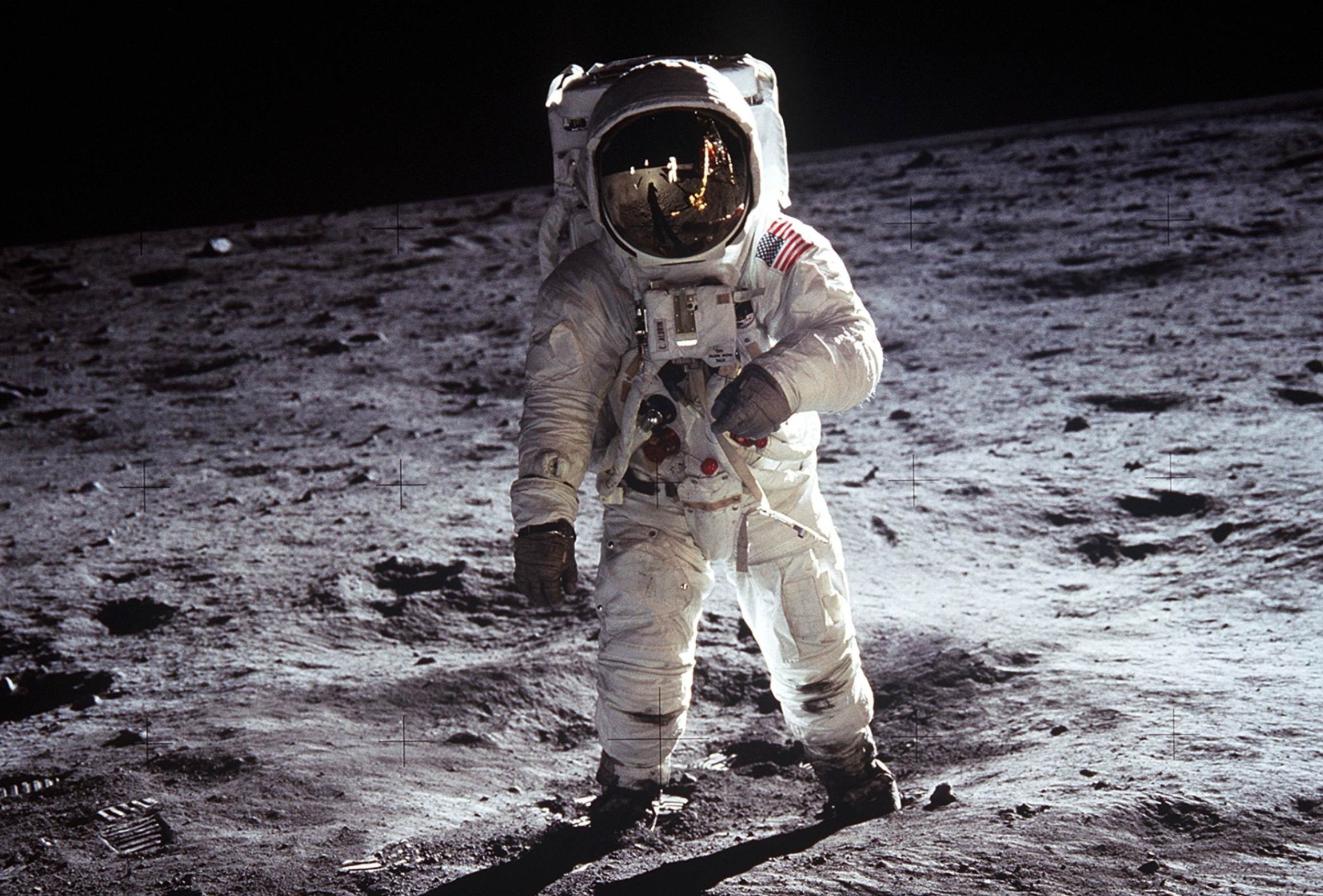
Your mass would be the same on the Moon as on Earth because mass measures the amount of matter in you. Your weight would be much smaller. Weight equals mass multiplied by gravitational field strength. The Moon's gravitational field strength is about one sixth of Earth's. With a smaller downward gravitational force, the same push from your legs can give you a larger upward acceleration and you can rise higher before gravity brings you back down. Astronauts still cannot jump without limit: their muscles, spacesuits and the Moon's gravity all matter.
You can spot the same idea in sport, transport and amusement rides. Designers predict how motion will change before building anything, because forces, momentum and energy affect comfort as well as safety. That is why seat belts, suspension, landing surfaces and ride restraints are physics applications, not just pieces of equipment.
Gravity is an attractive force between masses. Near a planet, weight is given by W = mg, so mass stays the same while weight changes with gravitational field strength. Orbits are not places where gravity disappears: an orbiting object is continually accelerating towards the body it circles, but its sideways velocity means it keeps falling around it rather than straight into it.