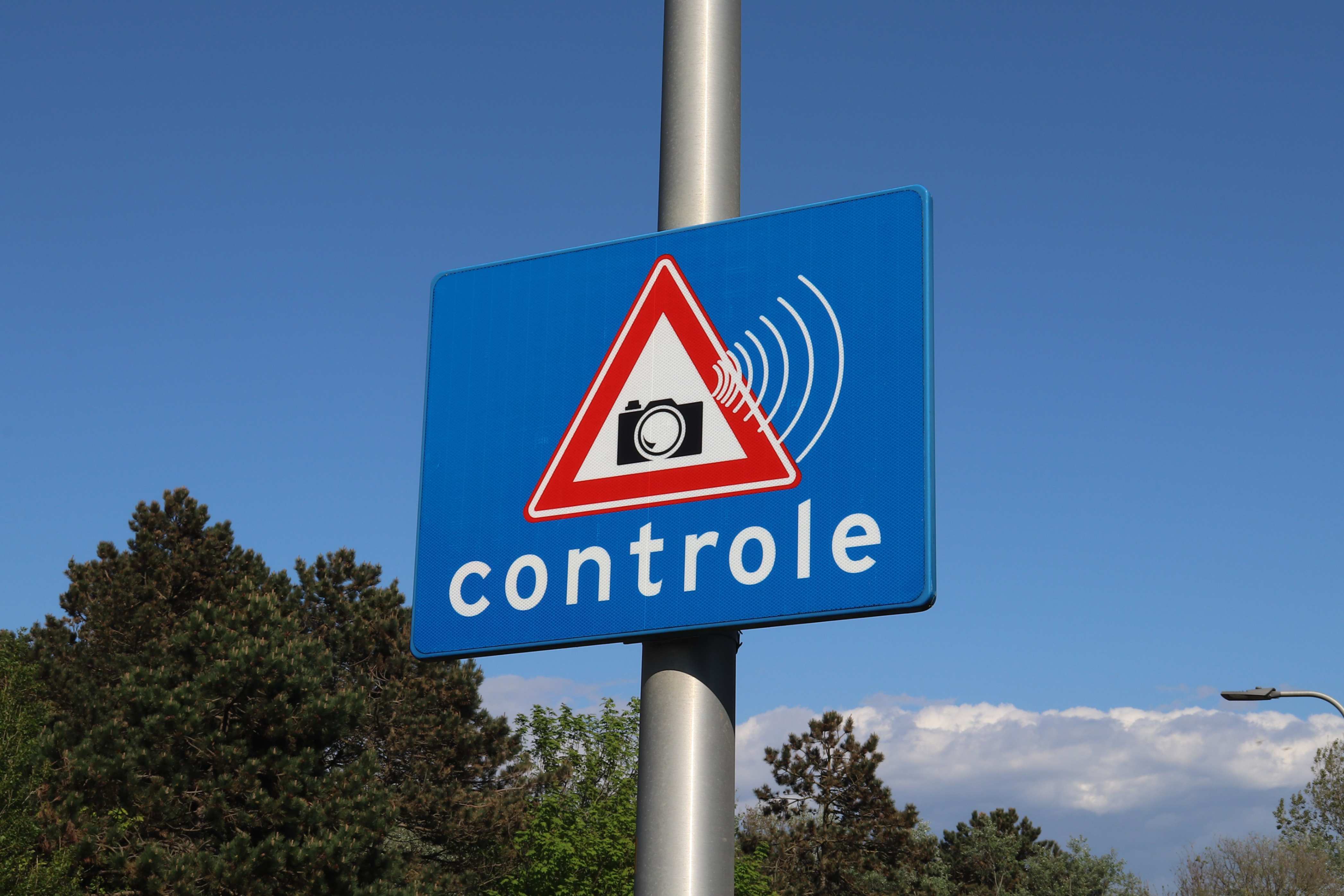
Different speed cameras use different methods. Some measure how a vehicle's position changes over a known time, while radar systems use reflected radio waves. A radar beam reflects from a moving vehicle. Motion changes the frequency of the reflected wave through the Doppler effect, and electronics can use that change to calculate speed. Average-speed systems instead record when a vehicle passes two points a known distance apart. Average speed is then distance divided by time. Both approaches turn a familiar physics quantity—speed—into a measurement that can be checked automatically.
The useful part of this physics is that it helps people predict and design real things. Engineers often begin with the same simplified model used in school, test where it works, then add more detail when measurements show that the real situation is more complicated.
The motion can be understood by adding the forces as vectors. If they balance, the resultant force is zero and the object stays at rest or continues at constant velocity; if they do not, it accelerates. Friction and drag transfer energy to the surroundings, usually as heating, so maintaining a steady speed can still require continuous work even when the speed itself is not changing.