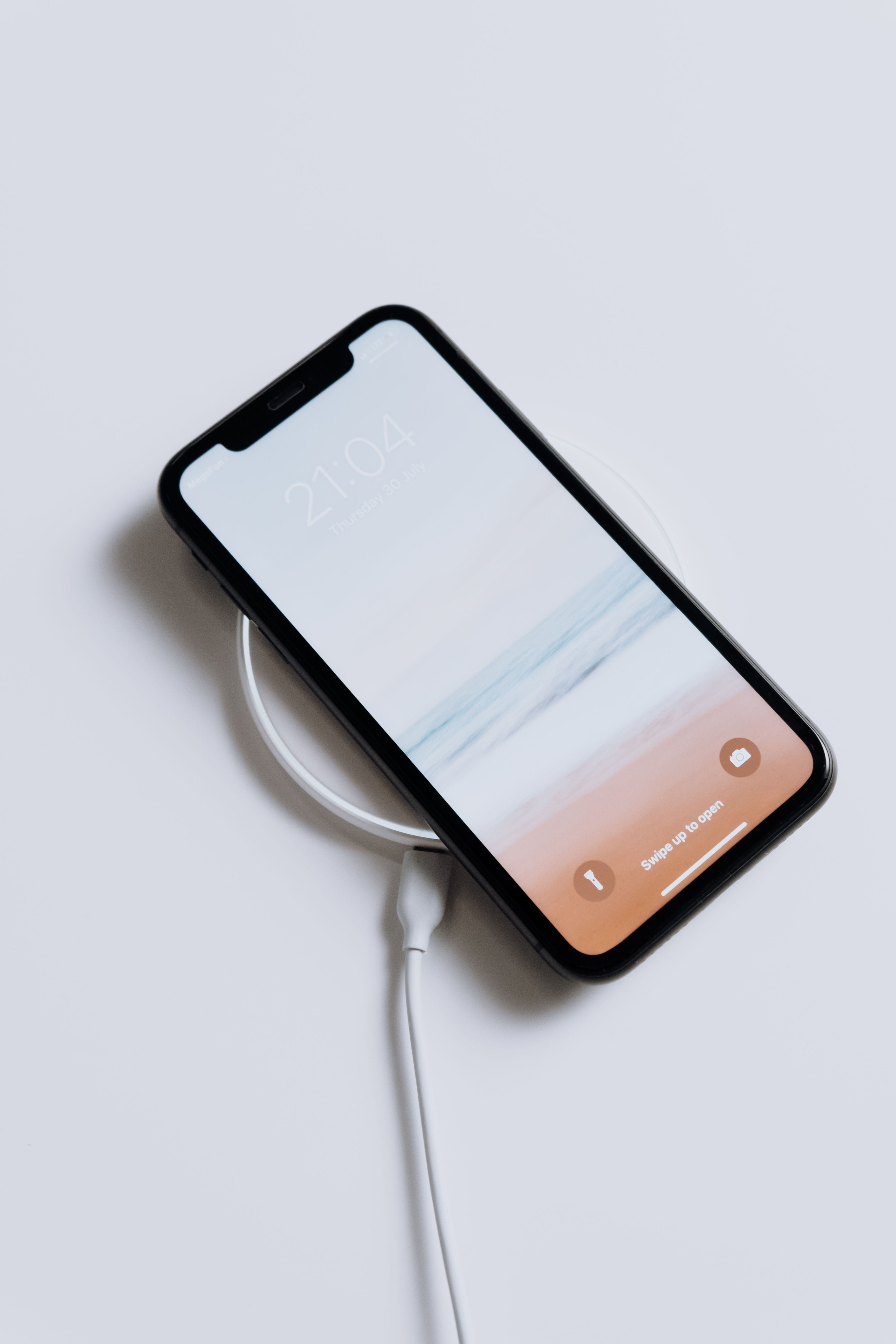
A wireless charging pad still uses wires internally, but it does not need a metal electrical contact with the phone. Instead it transfers energy using changing magnetic fields. An alternating current in a coil inside the charger creates a changing magnetic field. A second coil inside the phone sits in that field. The changing magnetic field induces a potential difference in the phone's coil, causing current to flow. Electronics then use that electrical energy to charge the battery. The coils must be close and well aligned because the transfer becomes less effective as the magnetic coupling gets weaker.
The useful part of this physics is that it helps people predict and design real things. Engineers often begin with the same simplified model used in school, test where it works, then add more detail when measurements show that the real situation is more complicated.
The key idea is electromagnetic induction. A changing magnetic field through a coil produces a potential difference across it; if the circuit is complete, a current can flow. Increasing the rate of change, the field strength or the number of turns can increase the induced voltage. Transformers, generators, wireless chargers and contactless systems all use versions of this same link between changing magnetic fields and electricity.