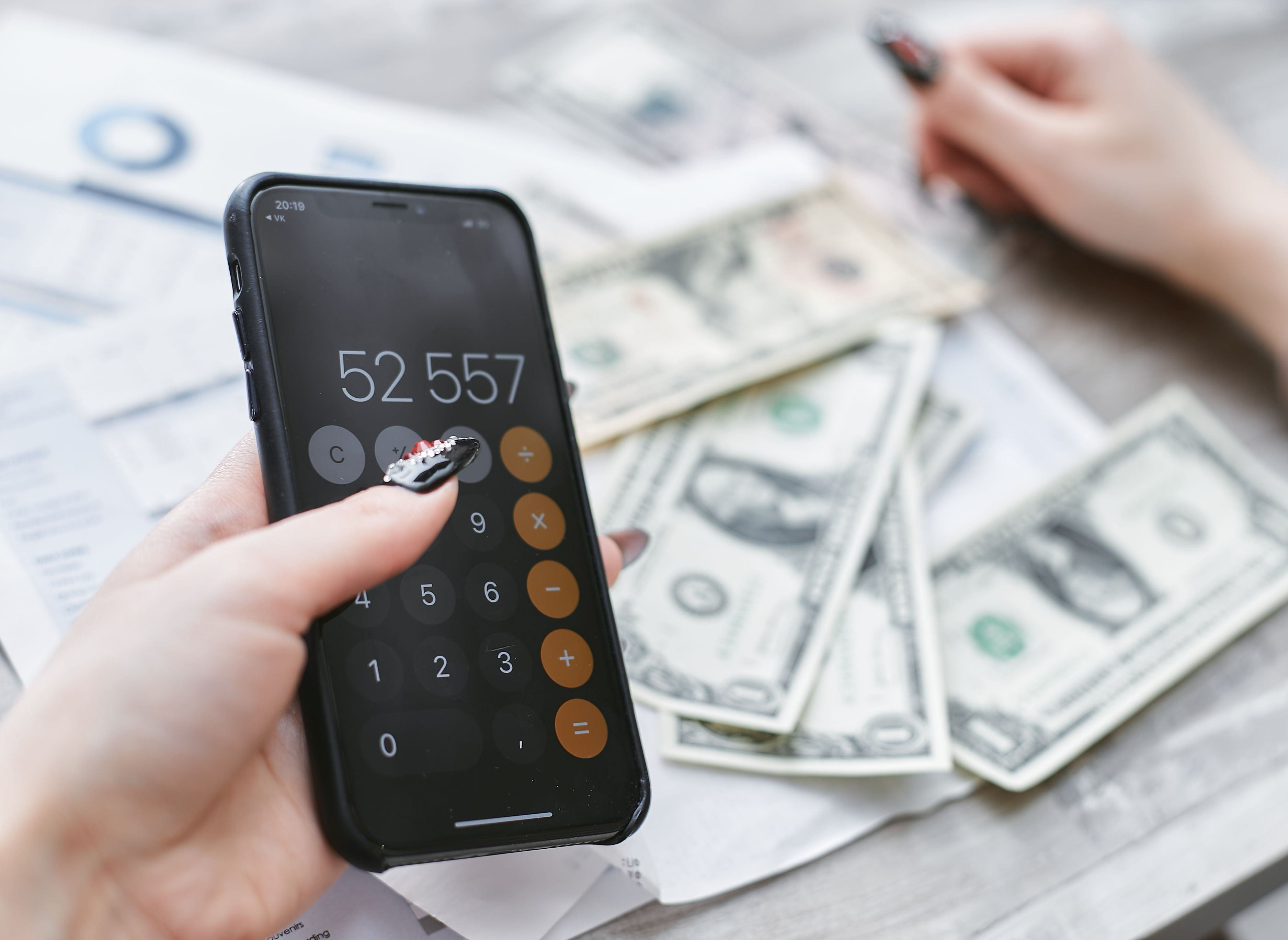
A phone battery may store only around a few tens of watt-hours of energy, so a full charge uses far less energy than heating a room or boiling many kettles. The exact amount depends on the phone and charger. To estimate annual use, find the energy for one charge, allow for charging losses, and multiply by the number of charges. Convert watt-hours to kilowatt-hours by dividing by 1000. You can then multiply the annual energy in kWh by your electricity price per kWh. The result is usually surprisingly small compared with larger household appliances. The calculation is a useful example of connecting power, energy, efficiency and real electricity costs.
The useful part of this physics is that it helps people predict and design real things. Engineers often begin with the same simplified model used in school, test where it works, then add more detail when measurements show that the real situation is more complicated.
Power is the rate of energy transfer: a high-power device transfers a lot of energy each second. Electrical power can be found from P = IV, while energy transferred is E = Pt. Efficiency compares the useful energy output with the total input, and the remainder is not destroyed—it is transferred to less useful stores, often by heating or sound.