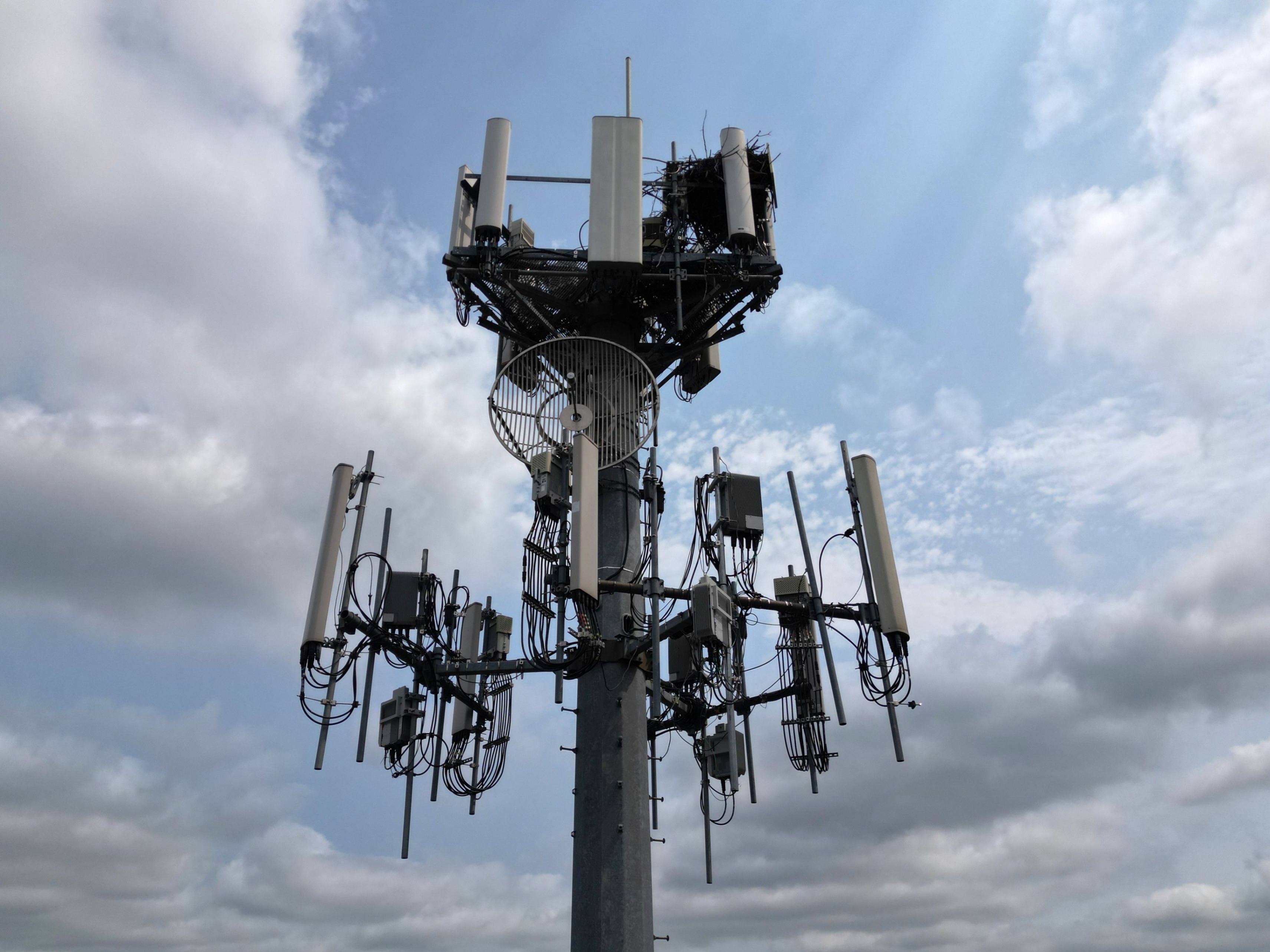
Both 4G and 5G mobile networks use electromagnetic waves to carry digital information. The difference is not that one uses 'radiation' and the other does not: both use radio-frequency parts of the electromagnetic spectrum. 5G systems can use a wider range of frequencies and newer ways of organising signals, antennas and network capacity. Some higher-frequency signals have shorter wavelengths and can be blocked more easily by buildings and other obstacles. Higher available bandwidth can allow more data to be transmitted, while network design can reduce delay and support many devices. The physics connects frequency, wavelength, propagation and information transfer to the engineering of a modern communications network.
The useful part of this physics is that it helps people predict and design real things. Engineers often begin with the same simplified model used in school, test where it works, then add more detail when measurements show that the real situation is more complicated.
Waves transfer energy and information without transferring matter from source to receiver overall. Frequency tells us how many oscillations pass each second, wavelength is the spacing between matching points, and wave speed links them through v = fλ. Different frequencies interact with materials differently, which is why engineers can choose particular parts of the electromagnetic spectrum—or particular sound frequencies—for sensing, communication, heating or imaging.