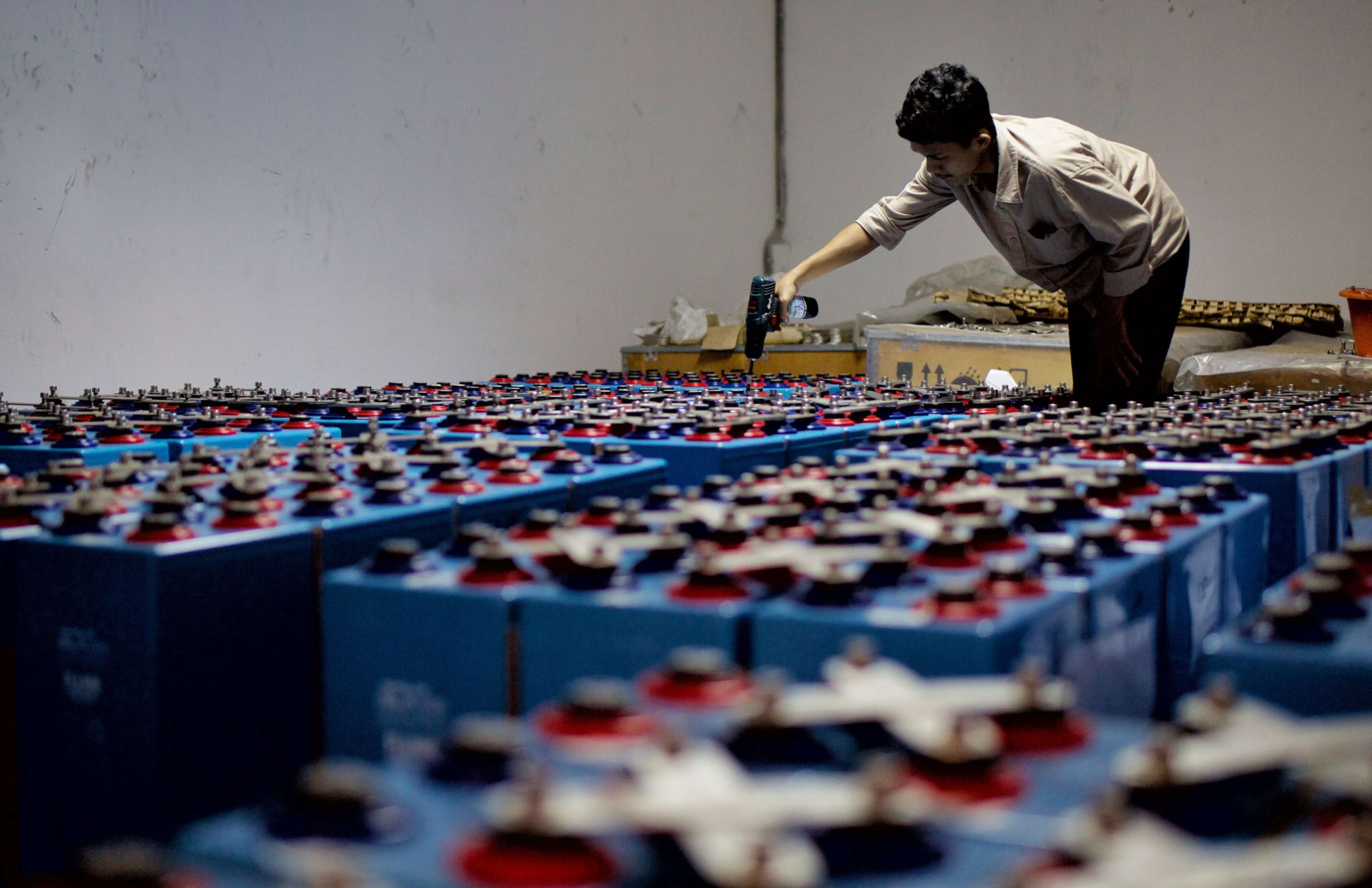
Wind and solar generation change with weather and time of day, so storing surplus energy sounds like an obvious solution. Batteries are useful, but storing electricity for an entire country involves enormous amounts of energy. A storage system must have enough energy capacity to last through long periods of low generation and enough power capacity to supply demand quickly. Cost, materials, lifetime and efficiency also matter. Different technologies suit different timescales. Batteries can respond quickly, while pumped hydro, thermal storage and other systems may store large amounts in different ways. The challenge is therefore not whether energy can be stored, but how much, for how long, at what power and at what cost.
The useful part of this physics is that it helps people predict and design real things. Engineers often begin with the same simplified model used in school, test where it works, then add more detail when measurements show that the real situation is more complicated.
Power is the rate of energy transfer: a high-power device transfers a lot of energy each second. Electrical power can be found from P = IV, while energy transferred is E = Pt. Efficiency compares the useful energy output with the total input, and the remainder is not destroyed—it is transferred to less useful stores, often by heating or sound.