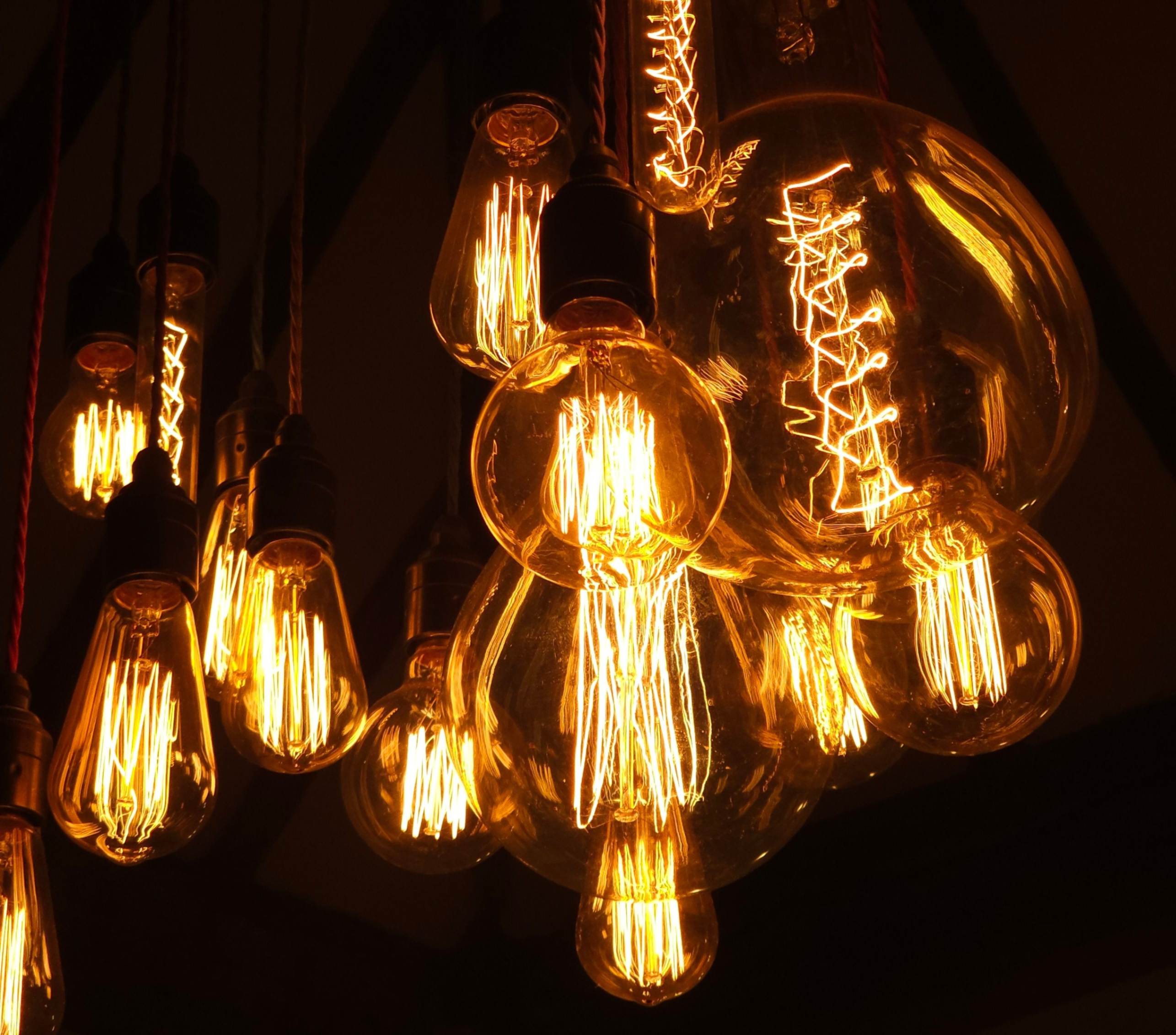
An old filament bulb makes light by heating a thin wire until it glows. That means a large fraction of the electrical energy ends up as thermal energy rather than useful visible light. LEDs produce light using semiconductor processes and can convert a greater fraction of the electrical energy into useful light. They still warm up, but generally waste less energy as heating. For the same useful brightness, an LED can therefore operate at a lower electrical power. Lower power means less energy transferred during the same amount of time. This is why replacing filament lamps with LEDs can reduce electricity use without making a room darker.
Designers have to balance performance, safety and wasted energy. That is why phones manage battery temperature, chargers regulate current, power networks use particular voltages, and appliances carry power ratings. Looking at the label on a real device turns the idea into something measurable rather than abstract.
Power is the rate of energy transfer: a high-power device transfers a lot of energy each second. Electrical power can be found from P = IV, while energy transferred is E = Pt. Efficiency compares the useful energy output with the total input, and the remainder is not destroyed—it is transferred to less useful stores, often by heating or sound.