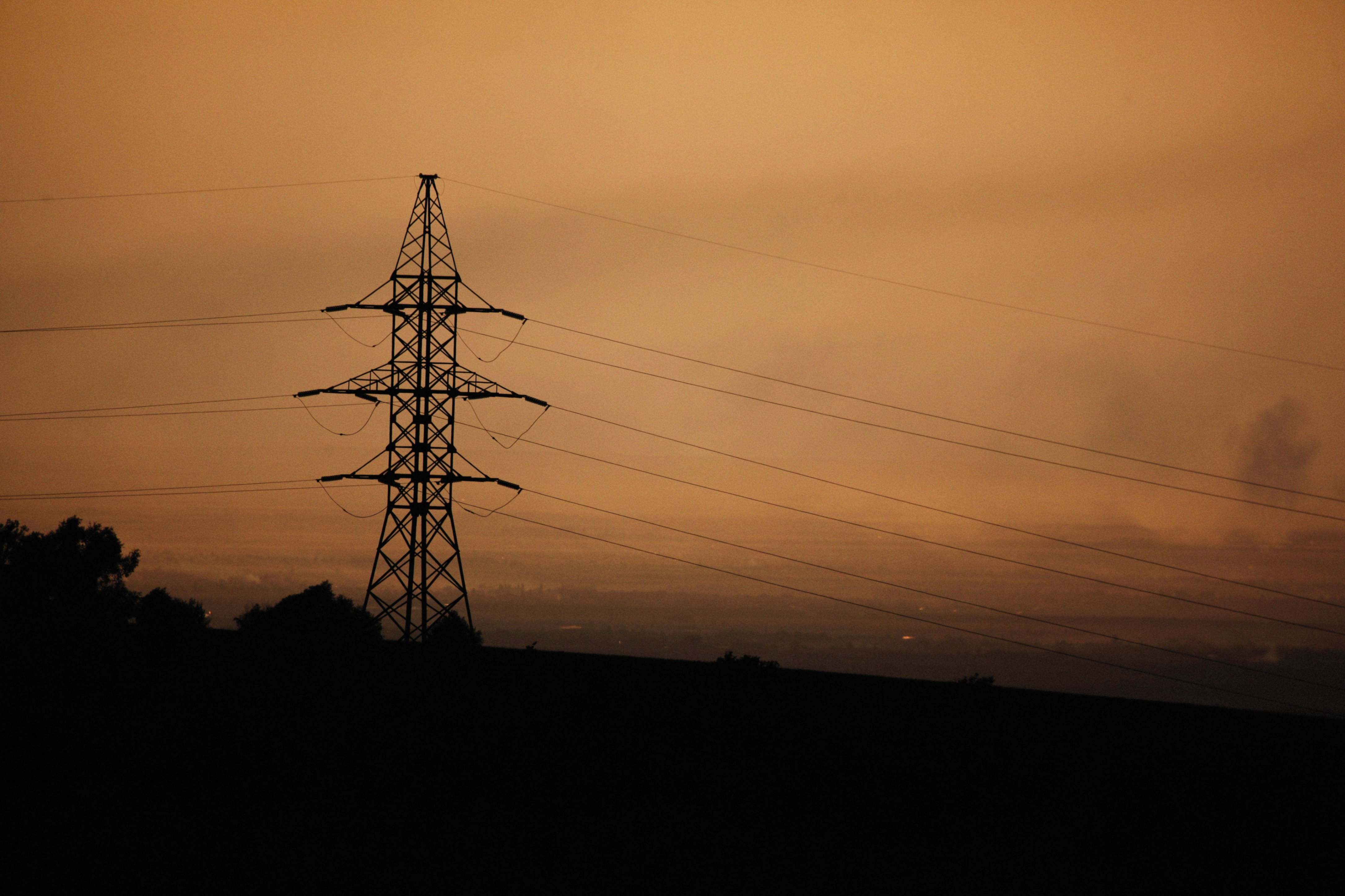
Electricity is transmitted across long distances through cables that have resistance. Current in those cables causes heating, which wastes energy. For a given transmitted power, increasing the potential difference allows the current to be reduced because power is related to potential difference and current. A smaller current greatly reduces heating losses in the cables. Transformers are used to step voltage up for transmission and down again for safer distribution and use. This is why National Grid transmission lines operate at extremely high voltages: it makes long-distance energy transfer more efficient.
Designers have to balance performance, safety and wasted energy. That is why phones manage battery temperature, chargers regulate current, power networks use particular voltages, and appliances carry power ratings. Looking at the label on a real device turns the idea into something measurable rather than abstract.
The effect becomes clearer when it is reduced to measurable quantities: forces can change motion, energy is transferred between stores, and particles or fields provide a model for what cannot be seen directly. Those models let us predict what should happen when one variable changes, then test the prediction against observations or measurements.