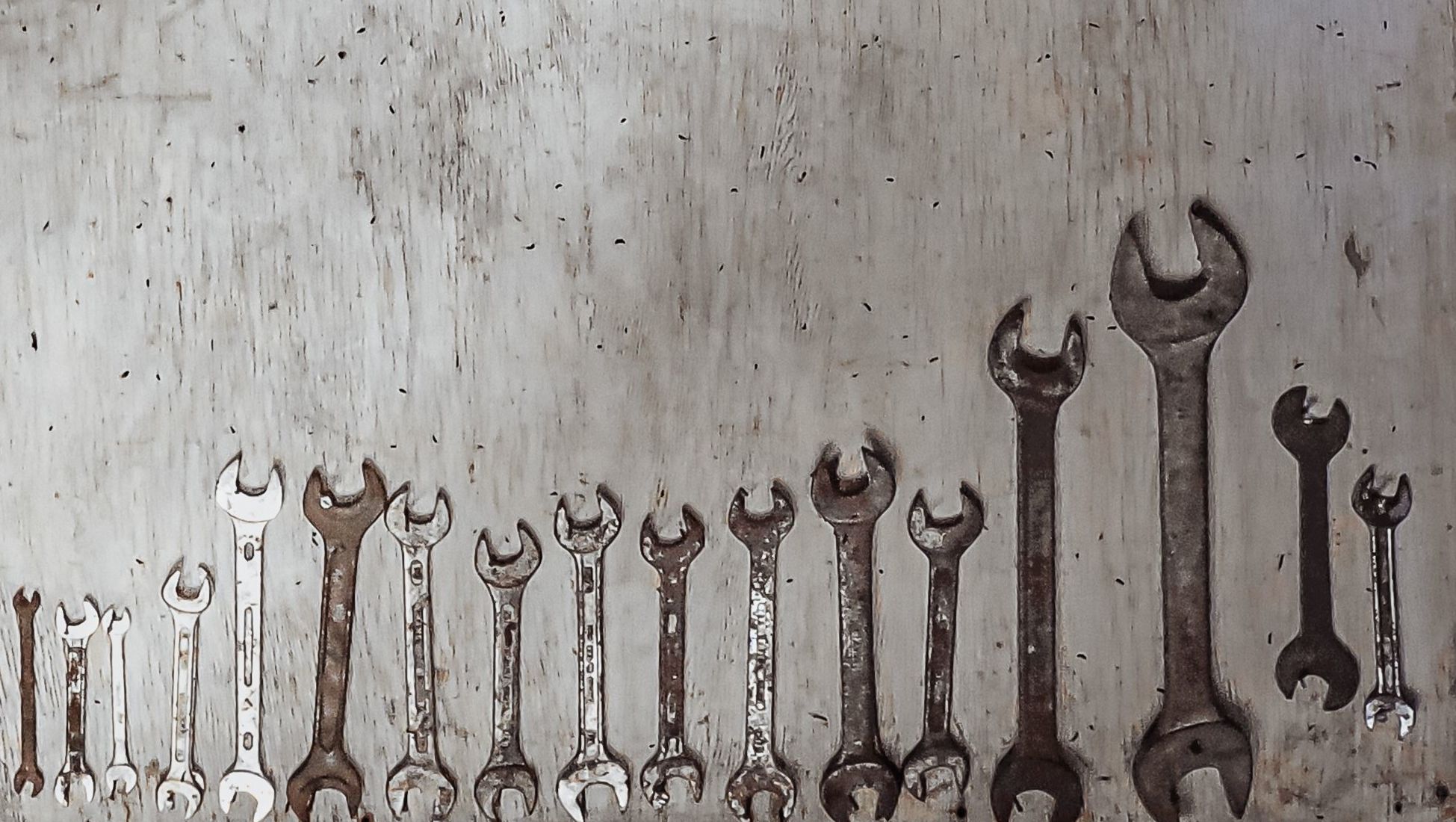
A stubborn bolt must be turned by producing a moment around its axis. The moment depends on both the force you apply and the perpendicular distance from the pivot. A longer spanner increases that distance. The same hand force therefore produces a larger turning effect. Alternatively, you can produce the same required moment with a smaller force when using a longer handle. This is the principle of leverage. Engineers still have to avoid applying excessive torque, because bolts and tools can be damaged if the turning effect becomes too large.
The useful part of this physics is that it helps people predict and design real things. Engineers often begin with the same simplified model used in school, test where it works, then add more detail when measurements show that the real situation is more complicated.
Turning depends not only on force but on how far that force acts from the pivot. The moment is force multiplied by perpendicular distance from the pivot, so moving the same force farther from the hinge produces a larger turning effect. Levers exploit exactly this relationship: a larger distance can reduce the force needed, although the hand then has to move through a greater distance.