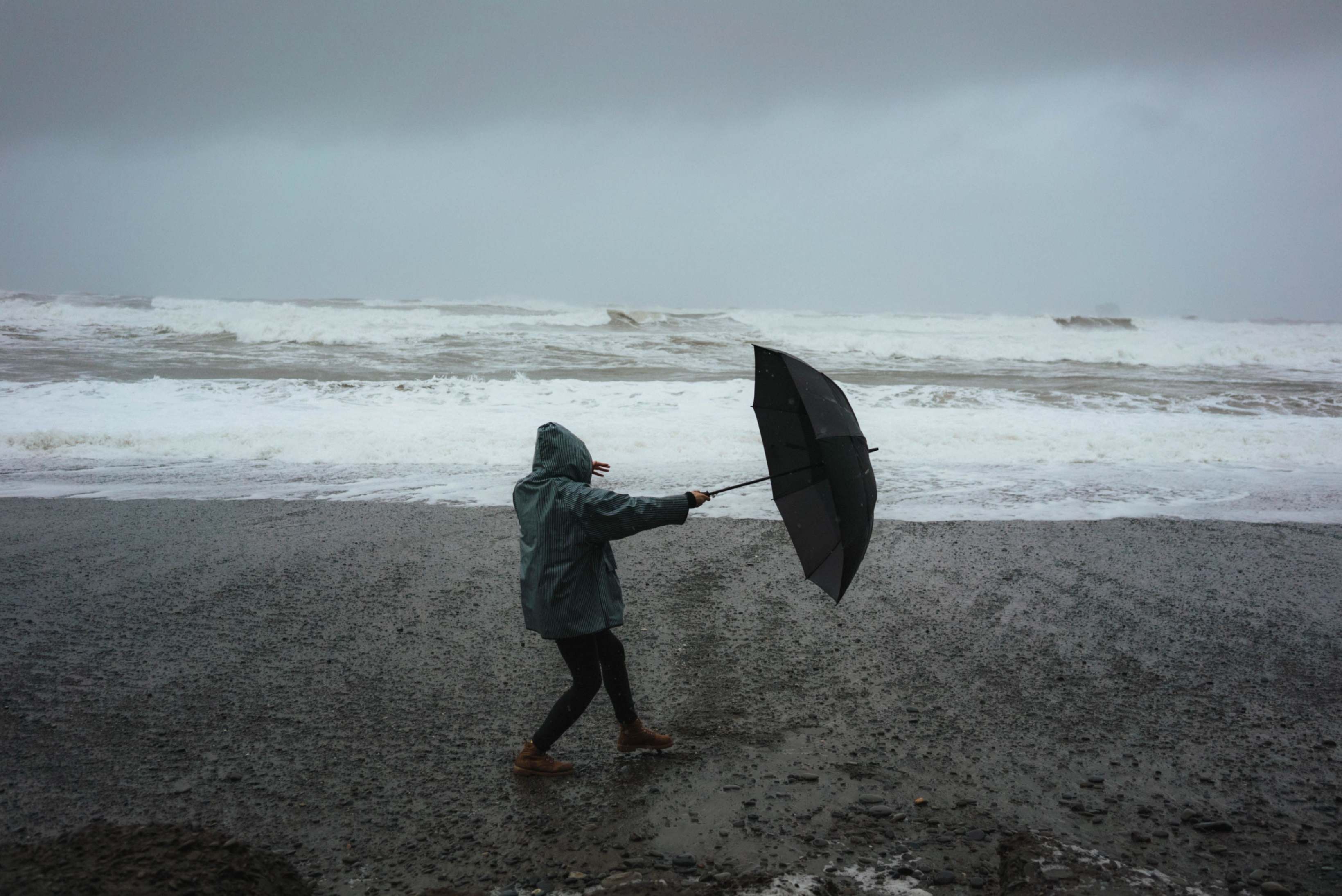
Cycling into a headwind can make a familiar journey feel much harder. Your bicycle is moving through air, and the air exerts a drag force opposite your motion. What matters is your speed relative to the air. If you cycle at 6 m/s into a 4 m/s headwind, the air meets you at about 10 m/s. Drag increases strongly with relative speed, so you must provide a larger driving force and transfer energy at a greater rate to maintain the same ground speed. This is why cyclists reduce their frontal area and use streamlined clothing when speed matters.
The useful part of this physics is that it helps people predict and design real things. Engineers often begin with the same simplified model used in school, test where it works, then add more detail when measurements show that the real situation is more complicated.
The motion can be understood by adding the forces as vectors. If they balance, the resultant force is zero and the object stays at rest or continues at constant velocity; if they do not, it accelerates. Friction and drag transfer energy to the surroundings, usually as heating, so maintaining a steady speed can still require continuous work even when the speed itself is not changing.